Getting a good night’s rest is foundational to everyday wellness, yet millions of Americans struggle to fall asleep or stay asleep. With shelves and online marketplaces crowded with natural sleep aids, understanding what goes into your nightly routine is more important than ever. If you have been researching nighttime formulas, you have likely come across the yu sleep supplement.
When evaluating any health product, the most critical step is looking closely at the formulation. Understanding the yu sleep ingredients helps consumers make informed choices about what they put into their bodies. In this comprehensive guide, we will break down everything you need to know about the yu sleep ingredients supplements, how the product is presented, and important factors to keep in mind regarding safety and efficacy.
For a broader overview of the product’s performance, pros, and cons, you can also read our in-depth Yu Sleep Review.
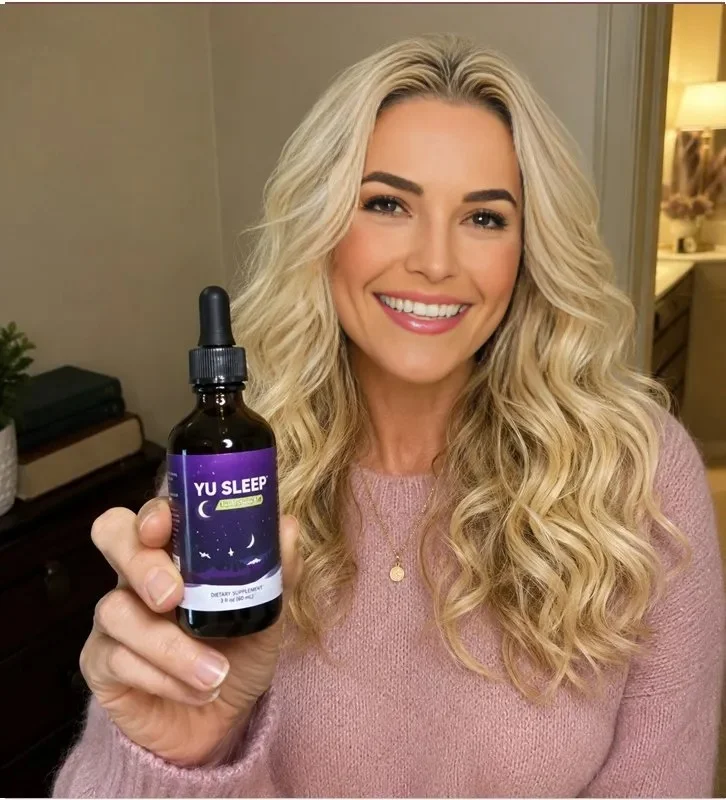
Understanding the Yu Sleep Supplement
The market for sleep support formulas has expanded rapidly across the United States. Adults seeking alternatives to heavy synthetic sleep aids frequently turn to natural botanical and vitamin blends designed to promote relaxation. The yu sleep supplement positions itself as a solution for individuals looking to support healthier sleep architecture and unwind after a stressful day.
However, before purchasing any wellness product, it is essential to look past marketing claims and examine the actual formulation. Consumer transparency is vital, particularly when dealing with dietary supplements that are not strictly evaluated by regulatory bodies like the Food and Drug Administration (FDA) for disease treatment or prevention.
Why Ingredient Transparency Matters
When examining the yu sleep ingredients, consumers should look for clear labeling, precise dosages, and high-quality sourcing. Proprietary blends—where multiple ingredients are lumped together under a single total weight without individual breakdowns—can sometimes obscure the exact amount of each active component you are consuming.
As we dive into the specifics of the yu sleep ingredients supplements, we will look at what is publicly disclosed, how these components generally function in the body, and what limitations exist regarding scientific verification.
Breaking Down the Yu Sleep Ingredients
When researching the specific components that make up the yu sleep supplement, it is important to distinguish between manufacturer claims and independent scientific literature. While individual botanicals and minerals often have a long history of traditional use or preliminary study, the specific finished product formulation may not have large-scale, peer-reviewed clinical trials backing its exact efficacy.
Core Component Categories
Sleep formulations generally target a few primary physiological pathways:
- Nervous System Relaxation: Ingredients that interact with neurotransmitters like GABA to calm an overactive mind.
- Stress and Cortisol Management: Adaptogenic herbs designed to help the body cope with daily stress.
- Sleep-Wake Cycle Support: Compounds that influence circadian rhythms or melatonin production.
While exact proprietary proportions can vary, sleep support supplements in this category typically rely on a synergy of traditional calming agents. Let us look closely at how these types of ingredients are generally evaluated in the wellness community.
Evaluating Manufacturer Claims vs. Scientific Evidence
When exploring the yu sleep ingredients, consumers frequently encounter bold promises regarding deep rest, morning alertness, and stress reduction. It is vital to approach these claims with a balanced perspective.
Manufacturer Claims
Makers of the yu sleep supplement often highlight:
- Support for faster sleep onset.
- Promotion of deeper, more restorative rest cycles.
- Relief from nighttime restlessness caused by daily stress.
- Natural formulations intended to minimize morning grogginess.
What Independent Science Says
While individual vitamins, minerals, or herbal extracts found in many sleep aids have been studied independently, consumers must remember a fundamental rule of supplement science: an individual ingredient’s proven benefit does not automatically prove that a finished commercial product works.
Furthermore, exact dosages matter significantly. An ingredient might show positive results in a clinical trial at a specific high dose, but if a supplement contains only a trace amount (often hidden inside a proprietary blend), it may not yield the same effects. Always check the product label directly for exact milligram breakdowns when available.
Potential Benefits of Ingredients Found in Sleep Supplements
While keeping in mind that individual responses vary widely, exploring the types of components typically found in the yu sleep ingredients supplements can help demystify how they work.
1. Promoting Evening Relaxation
Many modern sleep difficulties stem from an inability to “turn off” the brain after a busy day. Ingredients aimed at relaxation often target the central nervous system to ease muscle tension and quiet racing thoughts.
2. Supporting Healthy Circadian Rhythms
Consistency is key to healthy sleep hygiene. Formulas that incorporate cycle-supporting nutrients aim to help the body recognize when it is time to wind down, smoothing the transition from wakefulness to slumber.
3. Non-Habit-Forming Alternatives
Unlike prescription sleep medications, which can carry risks of dependency, natural sleep supplements generally prioritize botanical and nutritional ingredients intended to work harmoniously with the body’s natural physiology.
Safety, Side Effects, and Who Should Avoid Them
Even natural supplements require caution. Just because a product is available over-the-counter does not mean it is entirely free of potential side effects or interactions.
General Safety Considerations
- Drowsiness: Because these products are designed to induce sleep, never take them before driving, operating heavy machinery, or engaging in activities that require full alertness.
- Medication Interactions: Certain herbs and supplements can interact with prescription medications, including blood thinners, sedatives, antidepressants, and blood pressure medications. Always consult a healthcare provider before adding a new supplement to your routine.
- Pregnancy and Nursing: Pregnant or breastfeeding individuals should exercise extreme caution and avoid sleep supplements unless explicitly approved by their OB-GYN or primary care physician.
If you experience persistent sleep disturbances, chronic insomnia, or daytime fatigue, it is important to speak with a medical professional. Sleep issues can sometimes be symptoms of underlying health conditions, such as sleep apnea, restless legs syndrome, or clinical anxiety, which require professional diagnosis and treatment rather than a dietary supplement.

How to Get the Most Out of Sleep Supplements
Taking a supplement like the yu sleep supplement is only one piece of the puzzle. To maximize your chances of achieving restorative rest, combine your supplement routine with healthy sleep hygiene practices:
- Maintain a Consistent Schedule: Go to bed and wake up at the same time every day, even on weekends.
- Limit Screen Time: Turn off smartphones, tablets, and televisions at least 30 to 60 minutes before bed to reduce blue light exposure.
- Optimize Your Sleep Environment: Keep your bedroom dark, quiet, and cool (ideally around 65°F or 18°C).
- Watch Stimulants and Alcohol: Avoid caffeine late in the day and minimize alcohol consumption, as both can severely disrupt sleep architecture.
For a deeper dive into how this specific product compares to others on the market, don’t forget to check out our comprehensive Yu Sleep Review.
Disclaimer
The information provided in this article is for educational and informational purposes only and does not constitute medical or professional dental advice. Always consult with a qualified physician or healthcare provider before starting any new dietary supplement, especially if you have pre-existing medical conditions, are pregnant or nursing, or are taking prescription medications. The statements made regarding these products have not been evaluated by the Food and Drug Administration. Dietary supplements are not intended to diagnose, treat, cure, or prevent any disease.

Emily Carter is a wellness researcher focused on ingredient transparency and evidence-based supplement analysis. She reviews metabolism and health products to help readers make informed decisions before purchasing.