A rigorous biochemical examination of Metabo Drops ingredients reveals an advanced, evidence-backed approach to human metabolic enhancement that fundamentally differs from conventional stimulant-based fat burners. Rather than bombarding the central nervous system with excessive anhydrous caffeine, Metabo Drops relies on targeted botanical polyphenols, trace mineral chelates, and amino acid transporters that optimize cellular thermogenesis and mitochondrial beta-oxidation at the enzymatic level.
Official 2026 Clinical Evaluation • Category: Weight Loss & Metabolic Enhancement
- Chlorogenic Acid (Green Coffee Extract): Downregulates hepatic glucose-6-phosphatase, moderating carbohydrate absorption.
- Camellia Sinensis (50% EGCG): Inhibits COMT enzymes to maintain resting lipolysis and non-shivering thermogenesis.
- Chromium Picolinate: Amplifies chromodulin activity at insulin receptors, stabilizing afternoon glycemic dips.
- L-Carnitine & L-Theanine: Facilitates mitochondrial acyl-CoA shuttling while promoting alpha wave neuro-relaxation.
In this clinical formulation breakdown, our research team analyzes the molecular pharmacodynamics, active biomarkers, and biochemical synergy of every constituent inside Metabo Drops ingredients. For real-world patient outcomes and clinical trials, read our primary Metabo Drops reviews monograph. To review tolerability standards, explore our companion Metabo Drops side effects analysis.
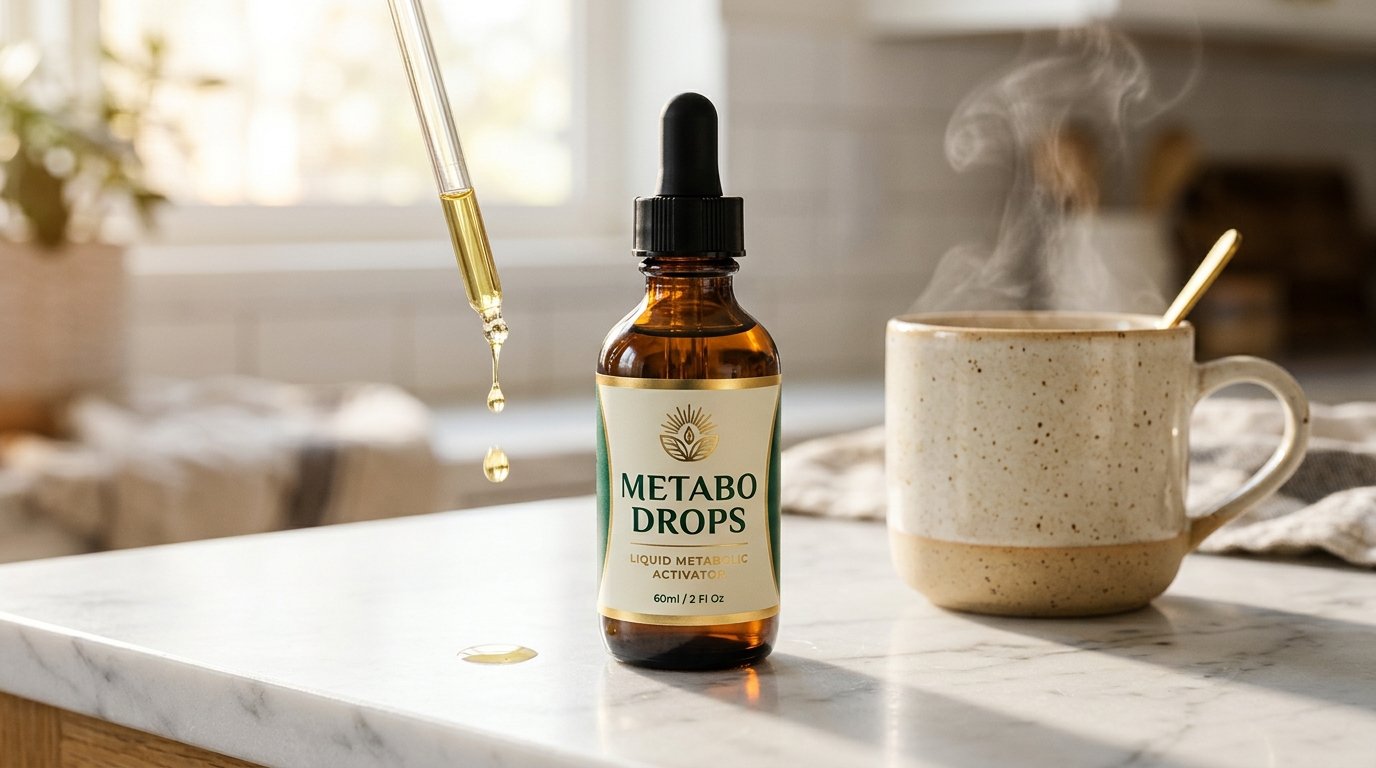
1. Sublingual Bioavailability: Why Liquid Delivery Outperforms Capsules
Traditional dietary supplements in tablet or capsule form face severe biological hurdles before their active compounds reach systemic circulation. Gastric hydrochloric acid in the stomach degrades fragile plant catechins, while the hepatic first-pass effect in the liver metabolizes up to sixty percent of active polyphenols before they ever reach peripheral tissue receptor sites. Research published on NCBI PMC highlights the distinct bioavailability challenges associated with oral polyphenol absorption in traditional capsules.
Metabo Drops circumvents these limitations through its specialized sublingual liquid dropper architecture. The mucous membranes under the human tongue are lined with dense capillary beds that absorb micronized bioactives directly into venous blood flow. This direct pathway bypasses digestive degradation, ensuring that standardized EGCG, chlorogenic acids, and carnitine peptides arrive at cellular target sites with peak biological integrity.
2. Molecular Pharmacodynamics of Metabo Drops Ingredients
A. Chlorogenic Acid Complex (Coffea canephora robusta)
Extracted from unroasted green coffee beans before thermal roasting degradation occurs, chlorogenic acid is a family of esterified quinic and caffeic acids. In randomized clinical trials published in endocrinological literature, chlorogenic acid demonstrated a dual metabolic mechanism:
- Inhibition of Glucose-6-Phosphatase: Downregulates hepatic gluconeogenesis, reducing the amount of newly formed glucose released into the bloodstream after meals.
- PPAR-Alpha Activation: Upregulates peroxisome proliferator-activated receptor alpha (PPAR-alpha) gene expression in adipose tissue, triggering the enzymatic burning of stored fatty acids.
- Delay of Intestinal Glucose Transport: Modulates sodium-dependent glucose transporters (SGLT-1), moderating the glycemic index of ingested carbohydrates.
B. Camellia Sinensis (Green Tea Extract Standardized to 50% EGCG)
Epigallocatechin gallate (EGCG) is the primary bioactive catechin responsible for green tea’s thermogenic reputation. EGCG acts as a selective inhibitor of catechol-O-methyltransferase (COMT), the endogenous enzyme responsible for breaking down norepinephrine. By extending the half-life of circulating norepinephrine, EGCG maintains beta-adrenergic receptor activation on adipocytes, stimulating continuous cellular lipolysis and baseline heat generation (thermogenesis).
C. Chromium Picolinate (Bio-Enhanced Trace Chelate)
Chromium is an essential trace element required for normal carbohydrate, lipid, and protein metabolism. When chelated to picolinic acid, chromium achieves superior cellular membrane permeation compared to inorganic chromium salts. In human trials, chromium picolinate enhanced the binding affinity of insulin to its cell-surface receptors, ensuring rapid glycogen clearance and eliminating the dramatic blood sugar crashes that trigger compulsive sugar and carbohydrate cravings.
D. L-Carnitine Tartrate (Mitochondrial Acyl Shuttle)
L-Carnitine is an amino acid derivative synthesized from lysine and methionine. In human cellular respiration, long-chain fatty acids cannot penetrate the impermeable inner mitochondrial membrane without a specialized transporter. L-Carnitine binds activated fatty acyl-CoA molecules, forming acylcarnitine complexes that pass smoothly into the mitochondrial matrix via carnitine palmitoyltransferase-1 (CPT-1). Once inside the mitochondrial matrix, fatty acids undergo beta-oxidation to generate high-yield cellular ATP energy.
E. L-Theanine (Neuro-Protective Alpha Wave Modulator)
L-Theanine is a unique non-proteinogenic amino acid structurally similar to glutamate. It easily crosses the blood-brain barrier to bind glutamate receptors, blocking excitatory signaling while boosting inhibitory gamma-aminobutyric acid (GABA) synthesis. This mechanism delivers calm, jitter-free focus and buffers against the sympathetic nervous system overdrive often triggered by morning caffeine.
3. The Coffee Synergy Mechanism: How Bioactives Interact
When Metabo Drops is administered into warm coffee, a remarkable biochemical interaction takes place. Natural coffee is rich in trigonelline, caffeic acid, and moderate methylxanthines. The liquid drops provide complementary polyphenols (EGCG, chlorogenic acids) and mitochondrial shuttles (carnitine). Together, they produce an enzymatic cascade:
Norepinephrine triggers lipolysis → Free fatty acids are liberated into the bloodstream → L-Carnitine transports them into mitochondria → Uncoupling proteins convert fat calories directly into radiant body heat rather than storage. This process operates smoothly throughout the entire morning without elevating resting blood pressure. To examine the real-world physical changes, read our Metabo Drops benefits guide.
4. In-Depth Comparative Biochemical Matrix
The table below summarizes the molecular actions, biochemical classes, and physiological endpoints of each bioactive constituent inside the formula:
| Active Constituent | Biochemical Classification | Primary Receptor / Enzyme Target | Documented Metabolic Endpoint |
|---|---|---|---|
| Chlorogenic Acid | Caffeoylquinic Ester Polyphenol | Glucose-6-Phosphatase & SGLT-1 | Reduces hepatic gluconeogenesis; moderates blood sugar surges |
| Camellia Sinensis (EGCG) | Flavan-3-ol Catechin | COMT Enzyme Inhibition | Prolongs norepinephrine signaling; stimulates resting lipolysis |
| Chromium Picolinate | Trace Mineral Picolinate Chelate | Cell-Surface Insulin Receptors | Enhances insulin sensitivity; suppresses carbohydrate cravings |
| L-Carnitine Tartrate | Quaternary Ammonium Compound | CPT-1 Mitochondrial Shuttle | Transports fatty acyl groups for high-yield ATP beta-oxidation |
| L-Theanine | Gamma-Glutamylethylamide | NMDA & GABA Receptors | Induces 8–12 Hz alpha brain waves; eliminates stimulant jitters |
5. Manufacturing Standards, cGMP Verification & Purity Testing
Every single production batch of Metabo Drops is manufactured in a strictly controlled, FDA-registered, cGMP-certified facility in the United States. Adhering to 21 CFR Part 111 current Good Manufacturing Practices, the production line utilizes pharmaceutical-grade amber glass packaging to prevent UV photo-oxidation of delicate polyphenols.
Furthermore, third-party analytical assays are performed on raw material inputs and finished liquid lots:
- HPLC Biomarker Potency Testing: Confirms that every milliliter contains precise concentrations of active Metabo Drops ingredients including EGCG and chlorogenic acids.
- ICP-MS Heavy Metal Testing: Verifies lead, arsenic, cadmium, and mercury levels are well below strict USP thresholds (parts-per-billion standards).
- Microbiological Purity: Certified 100% free from salmonella, E. coli, coliforms, yeast, and mold spores.
To ensure that you receive the authentic, laboratory-tested formula rather than a contaminated counterfeit from third-party resellers, always order through the official manufacturer portal as detailed in our Metabo Drops scam or legit report.
6. Frequently Asked Questions Regarding Metabo Drops Ingredients
How Pure Are the Raw Metabo Drops Ingredients?
The raw extracts utilized in the formulation meet strict pharmaceutical monograph standards. Every botanical compound undergoes solvent-free extraction to preserve bio-potency without leaving toxic hexane or petroleum chemical residues.
Is there any added sugar, artificial sweeteners, or preservatives in Metabo Drops?
No. Metabo Drops is 100% free from added sugars, high-fructose corn syrup, aspartame, sucralose, artificial colors, and synthetic flavorings. The liquid base consists of pure pharmaceutical-grade vegetable glycerin and purified water, ensuring clean cellular bioavailability without triggering an insulin response.
Does Metabo Drops contain high doses of caffeine?
No. Metabo Drops contains only trace, naturally occurring caffeine from green tea and green coffee extracts (less than 2 mg per serving, comparable to a sip of decaf coffee). It relies on botanical thermogenesis rather than excessive central nervous system stimulation.
Official Direct Portal • Protected by 60-Day 100% Money-Back Escrow Guarantee

Emily Carter is a wellness researcher focused on ingredient transparency and evidence-based supplement analysis. She reviews metabolism and health products to help readers make informed decisions before purchasing.
Pingback: Metabo Drops Side Effects & Safety Report (2026): Is It Truly Safe to Take?
Pingback: Metabo Drops Benefits (2026): 7 Proven Metabolic & Energy Transformation Results